Feline Infectious Peritonitis (FIP)
Feline Infectious Peritonitis (FIP) is a viral disease in cats caused by a feline coronavirus that is highly prevalent in domestic cats worldwide (over 80%). In a small percentage of feline coronavirus infected cats (~10%) the virus infects white blood cells in the cats body resulting in it spreading where it can cause a variety of symptoms.
The FIP virus is a mutated form of an enteric coronavirus that is endemic in the world domestic cat population. FIP emerges when the feline enteric coronavirus mutates. It is able to escape the gut and if initial immune responders don’t eliminate the virus, antibodies are made and the virus then co-opts the immune systems antibodies and then disseminates into the body depositing foreign protein complexes throughout the various organ systems ultimately leading to the death of the cat.
The difference between the enteric coronavirus and the FIP virus is not significant enough to distinguish the two forms by the precise PCR technology used to identify pathogenic species. This is the reason why there is no definitive test for the FIP virus.
The FIP virus primarily effects kittens and young cats. It is believed to be because kittens and young cats have rapidly dividing tissue that allow for a higher mutation rate enhancing conversion of common enteric coronavirus to the terrible FIP form of the virus. We have also seen an increase in frequency of FIP in older cats when the immune system is less capable of fighting off invaders.
 Currently FIP diagnoses are made by veterinarians based on symptoms, xrays, thorocentesis/paracentesis (if indicated) and bloodwork. Some common markers in FIP cases include elevated serum protein, a low albumin globulin ratio, anemia, elevated white cells particularly neutrophils and monocytes, and sometimes elevated bilirubin (indicating liver involvement).
Generally FIP is classified as wet FIP (if there is a buildup of fluids in the abdomen or chest) or dry FIP (inflammatory cells accumulate in various organs causing differing symptoms depending on organ involvement) and if neurological symptoms are present (head tilt, backend weakness, loss of balance, difficulty walking, incontinence, seizures or tremors) treatment usually involves higher doses and longer treatment times. Other commonly seen general symptoms of FIP include weight loss, inappetence, lethargy, and muscle wasting especially along the spine and hindquarters.
FIP was an incurable and fatal disease of kittens and young cats until 2017, when GS 441524 was discovered by Neils Pederson of UC Davis veterinary school. GS 441524 is a functional analog to one of the simple structural components of the viral DNA. The virus incorporates the analog compound into its structure and this renders the virus no longer viable. It takes a long time period to get enough of the analog into the viral population to fully eliminate the mutant form from the body. Current treatment protocols involve a shot or pill every day for nearly three months.
 The treatment was prohibitively expensive and not readily available until about three and half years ago, at which time the Ark Cat Sanctuary began treating for FIP with medical guidance and procurement of GS 441524 from FIP Warriors.
In our northern Arizona environment we see this disease in the populations of cats that we take in every year, with year-to year variations in the frequency of occurrences. 2021 was an exceptionally bad year, we lost 30 - 40 kittens from the virus. In a more average year we see 10-15 cases in our intakes and get requests for help in about 5 – 10 additional cases.
We’ve treated close to forty cats and kittens with about an 80% cure rate. We have observed that advanced active leukemia virus makes FIP treatment much more difficult.
To date there is no single definitive laboratory test and no preventative vaccine. To effect FIP cure a long treatment time of nearly 3 months with GS 411524 is required.
For a disease that used to be almost always fatal the GS 411524 treatment is working miracles for FIP cats and kittens.
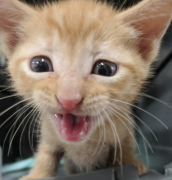
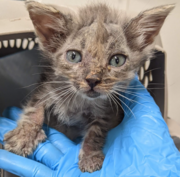
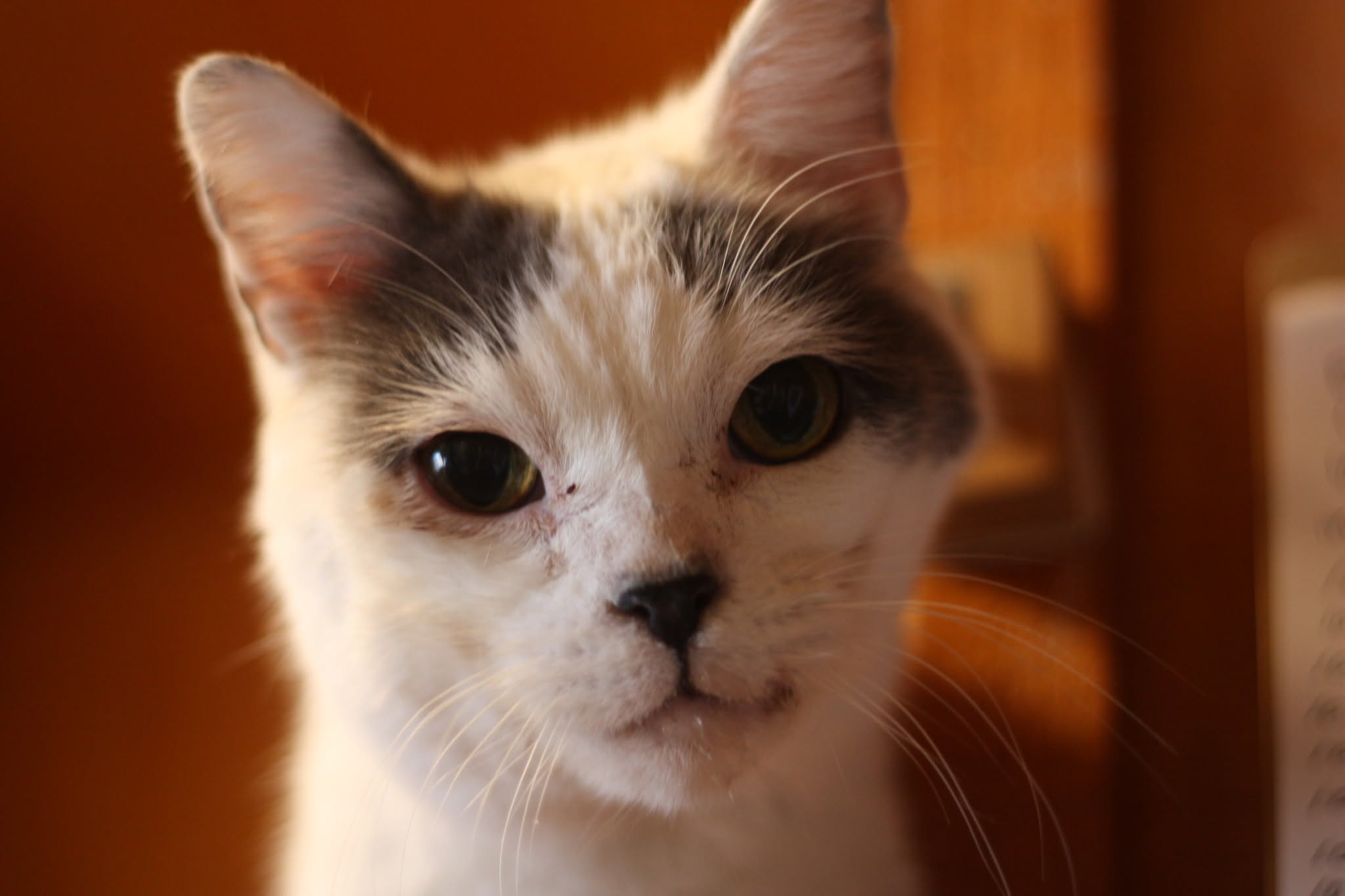
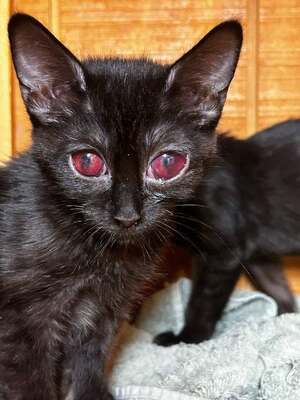
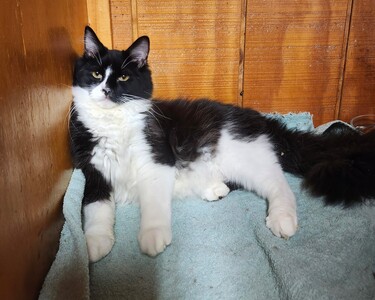
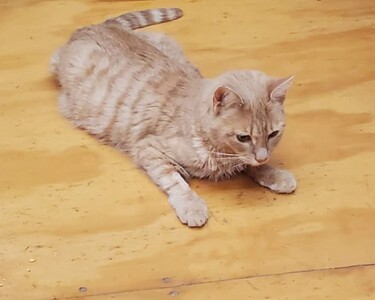
*Starling (black kitten with red eyes), Muffin (black and white cat with nose lesion) and Salmon (orange tabby with backend weakness) pictured above are just a few of the cats we have gotten through FIP treatment successfully.
Where to get treatment
Please Note: We are not veterinarians. Any information provided is for educational purposes only. Always consult a licensed veterinarian for diagnosis or treatment decisions involving your pets.While it used to be very difficult to find FIP medications there are currently several options available in both injectable (SubQ) and oral (pills or liquid) forms. (Please note: the links below are for pet parent information only and we are not promoting/endorsing/ them. Be sure to check the laws and regulations regarding FIP meds in your state.)